What GRAI Licensing Actually Changes for Irish Players
KingCasinoBonus.ie receives money from casino operators every time someone clicks on our links, influencing product placement. However, the compensation we receive does not influence our evaluation process, analysis and recommendations. We always provide objective, honest verdicts to support informed choices.
On July 1, 2026, GRAI officially began issuing licenses to online betting operators. However, GRAI Ireland is not simply a version of the old system; we now have Ireland’s first dedicated gambling authority. But what does this mean for you? We’ll find out together in this article!
On this page
The Short Answer
The Irish Gambling Regulatory Authority is the primary body responsible for regulating gambling in the country. It was established under the Gambling Regulation Act of 2024. Essentially, it replaces a system based on several older laws.
This past July, the GRAI began issuing licenses to casinos offering sports betting services. For you, as a player, things are very straightforward. Operators wishing to offer you online betting services must hold a license from the GRAI or be in the official licensing process. So now, Ireland has a specialized agency with real authority.
Keep in mind that this doesn t mean all operators currently on the Irish market already have a gambling regulatory authority of Ireland license or that all protective measures are in place. Even if you’ve never had any problems with a betting account, we think it’s worth staying up to date on these changes. What do you think?
The 2026 Timeline So Far
The reform of Ireland’s gambling legislation has been in the works for several years, it didn’t happen overnight. However, what matters to you as a player is the most recent information. The Gambling Regulation Act of 2024 was signed into law by the President of Ireland two years ago, in 2024. In fact, this law laid the groundwork for the GRAI, the authority that took over gambling regulation from the previous system, where requirements were less stringent.
However, we’re not talking about changes that happened overnight. The GRAI needed time, time to fine-tune its licensing system and that’s perfectly normal. Therefore, it took 16 months from the law’s enactment until licensing applications could be submitted through the online portal.
We saw another important milestone on July 1, 2026. That’s when GRAI Ireland actually began issuing licenses. This is the date that matters most to you, as a player. Now there is only one more step to go. Brick-and-mortar operators are still operating under their old authorizations, but these will expire this year, on December 1. From that point on, GRAI will take over the licensing of these operators as well.
Although this may seem like a long process to you, the phased implementation is intentional. This is how GRAI can carefully review all licensing applications.
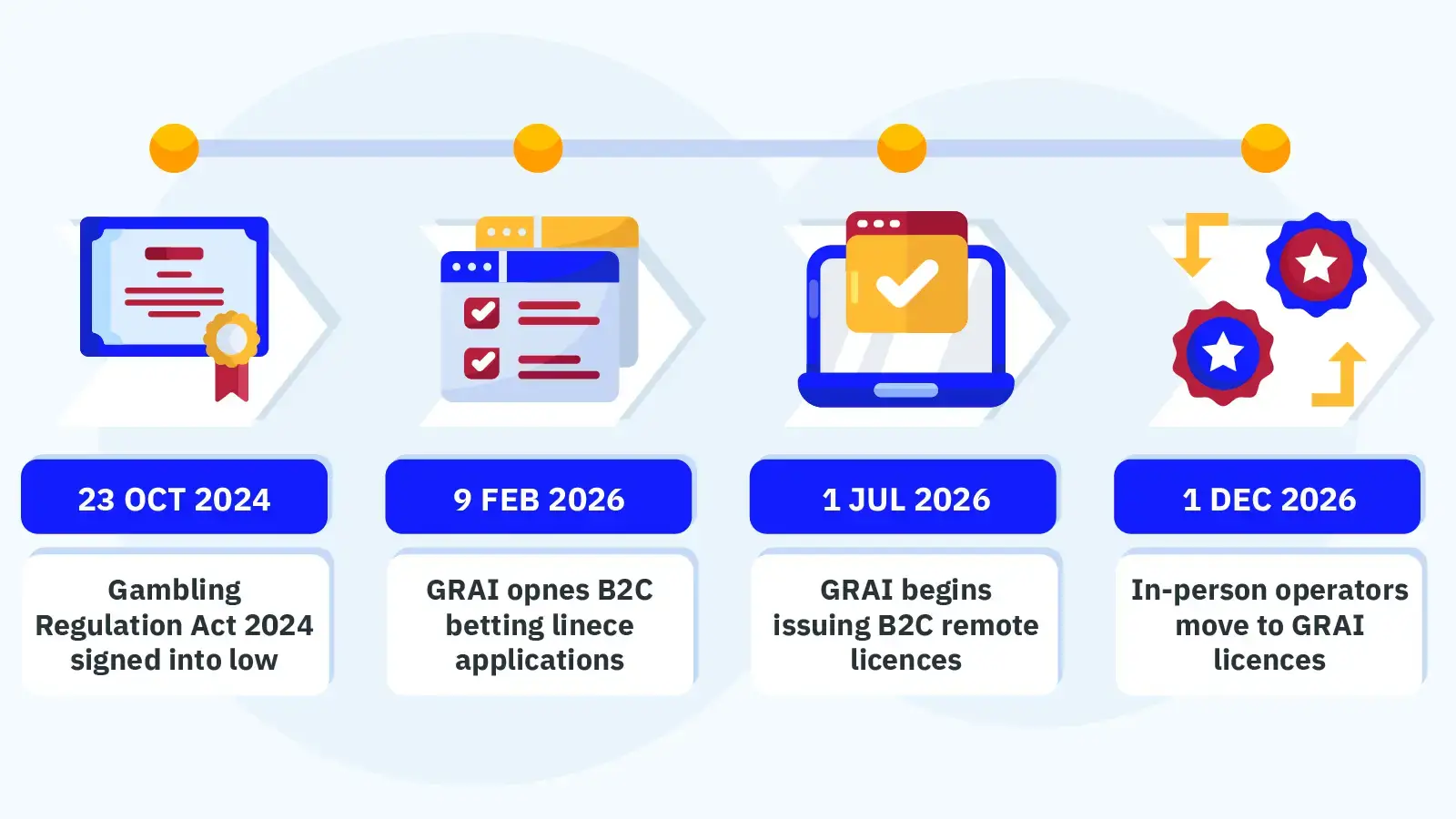
| Date | Milestone |
|---|---|
| 23 October 2024 | Gambling Regulation Act 2024 signed into law |
| 9 February 2026 | GRAI opens B2C betting licence applications |
| 1 July 2026 | GRAI begins issuing B2C remote betting licences |
| 1 December 2026 | In-person operators transition from Revenue Commissioner permissions |
What Licensed Casinos Need to Do Now
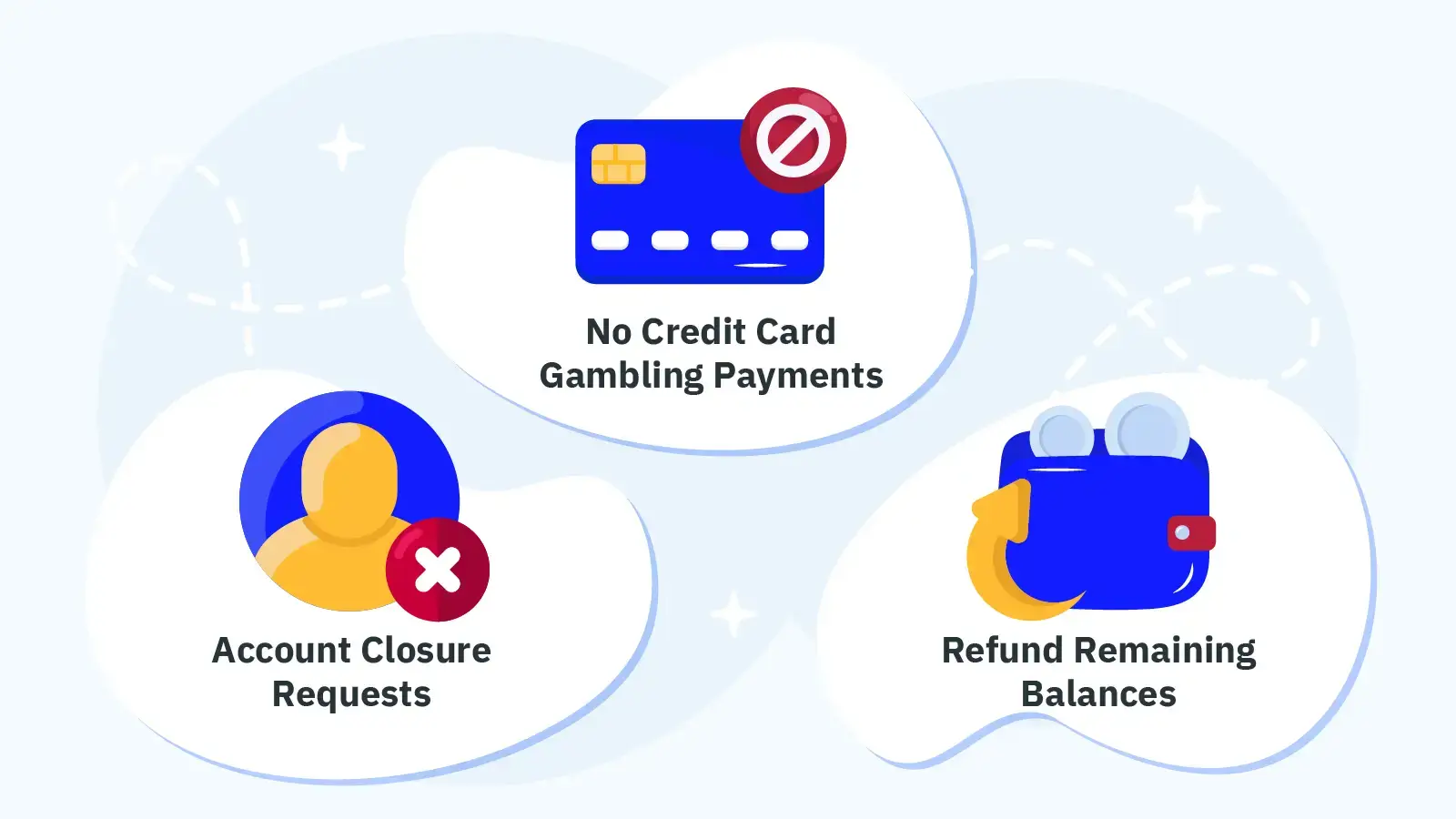
Now even credit card payments are no longer allowed. If you try to make a deposit with a credit card, the casino will automatically reject it. Banks in Ireland have already implemented blocks based on merchant codes specificaly to prevent the use of credit cards for gambling. If you’ve noticed that a site allows you to deposit money with such a card that’s a serious red flag.
Casinos must handle both situations properly. If you request that your account be closed, it will be closed, and if you have any remaining funds, they will be refunded. This applies to all accounts that have been inactive for 13 months.
How GRAI Makes Sure the Rules Are Followed
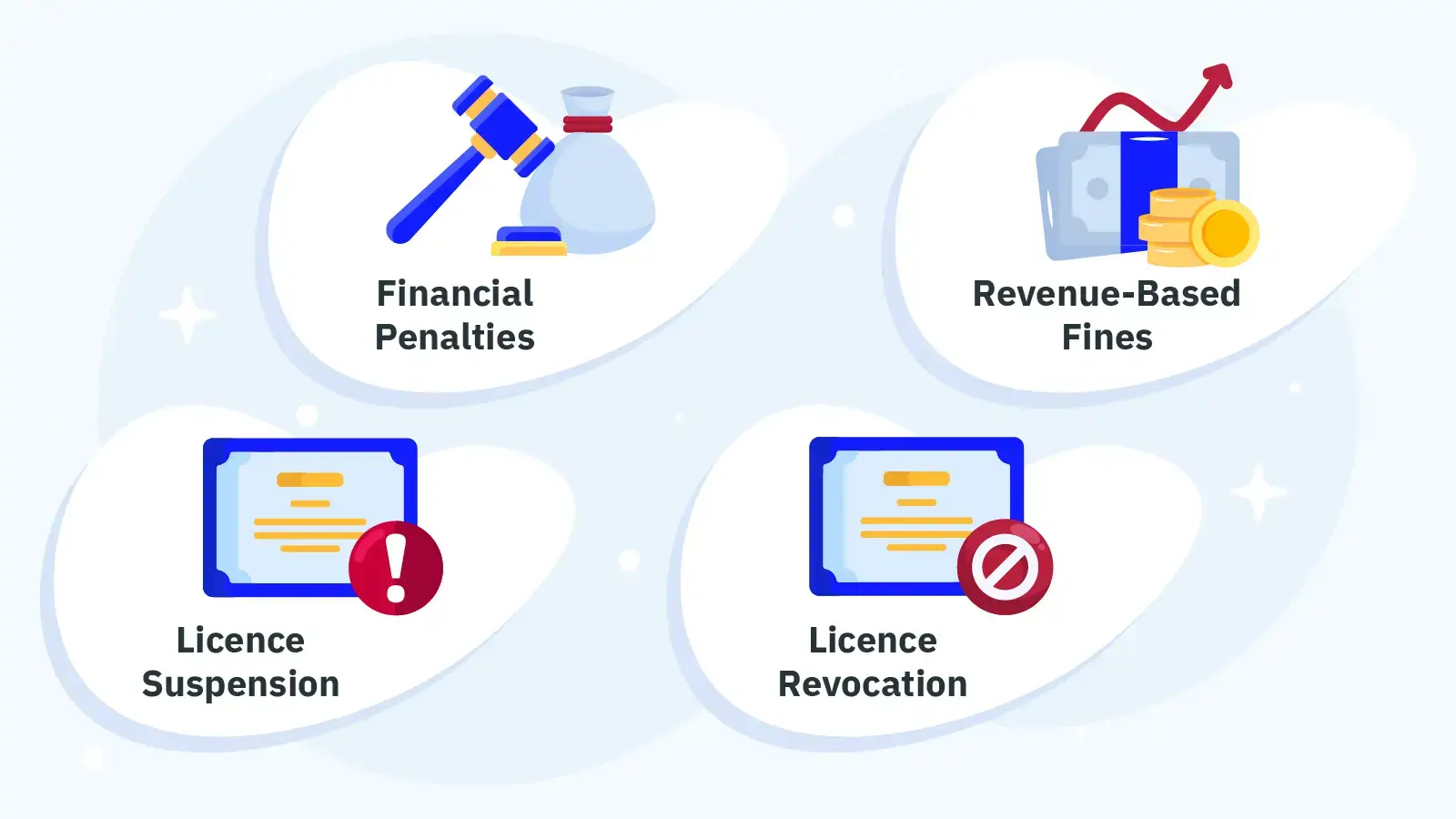
Well, here we see one of the most important differences between GRAI and the old system in Ireland. Before, as you well know, the rules were much more lenient, but things have changed.
GRAI Ireland can impose fines of up to €20 million or even 10% of the operators revenue, whichever amount is greater. It might not seem like a big deal at first glance. Let’s consider an operator with an anual revenue of 100 milion. 10% of that amoun is €10 million so the €20 million cap would apply here.
And fines aren’t the only measures the GRAI takes. The authority can suspend or permanently revoke a license. It can also ask a court to order an unlicensed operator to cease operations or to provide documents and data about its activities. Keep in mind, it all depends on the severity of the violation.
We can see major differences between the old and new systems. Now, as a player in Ireland, you have, for the first time, a dedicated authority regulating gambling, and this brings nothing but benefits for you.
What Changes Are Still to Come
There is a regulatory body that issues licenses, but that doesn’t mean the measures provided for by law have taken effect. Unfortunately, we’ve seen that there are protective measures that aren’t yet in place. We’re still waiting.
The National Gambling Exclusion Register is not yet active. However, the GRAI mentioned in its strategy that the register was to be developed next year, not immediately, so we’re being patient. Right now, if you want to self-exclude in Ireland, you have to go to each operator one by one and selfexclude yourself.
So if you self-exclude from one site today, be aware that the restriction doesn’t automatically apply to other casinos.
It’s also worth discussing the licensing of physical locations. All physical venues where gambling takes place are still operating under existing authorizations. The official transition will take place on December 1.
Advertising Restrictions
The law limits gambling advertisements between 9:00 p.m. and 5:30 a.m. They are set to be banned between 5:30 am. and 9:00 p.m. However, we are awaiting a separate decision from the Department of Justice.
| Live now | Not yet live |
|---|---|
| B2C remote betting and betting intermediary licences (from 1 July 2026) | National Gambling Exclusion Register |
| GRAI’s fine and enforcement powers | In-person operator licensing (until 1 December 2026) |
| Credit card ban on gambling payments | Full, uniform enforcement of the advertising watershed |
What This Means for Your Existing Account
You don’t need to take drastic measures but it’s important to check what the current situation is now that the new rules have been introduced. You can start by seeing if the casino you play at is licensed by GRAI or if it’s in the process of obtaining that license. We also go through the same verification process before recommending a casino to you. If you see that a site claims to have a license but doesn’t provide any verifiable information, it’s most likely lying, and you should stay away.
The editor of this article, Alexandra Camelia Dedu, recommends that you perform the following checks:
- Check the license. Look directly in the site’s footer or in the casino’s terms and conditions to see if there’s a clear reference to the GRAI license.
- See if credit card deposits are blocked. If the site allows you to deposit with a credit card, that’s a serious red flag.
A casino that truly holds a GRAI license offers you greater security. It is directly accountable to a regulatory autority, and if it fails to comply with the law, it can face fines of tens of millions of euros. If you’re unsure which casino to choose you can consult our list of licensed online casinos that we recommend because we’ve thoroughly tested them.
The Bottom Line
We need to distinguish between two important things. The fact that GRAI Ireland officially exists and the fact that it has begun issuing licenses and imposing sanctions on casinos are two different matters. In the case of online gambling, Ireland made this transition in mid-2026, and land-based casinos are set to make the transition by the end of the year.
A GRAI license comes with specific obligations and penalties, but there are measures that are only now being developed, such as the national self-exclusion registry.
We recommend that you check the status of the casino where you play.
